
Wisdom tooth emergency or something else?
What’s that pressure? When wisdom teeth show up, they arrive in all kinds of ways. Some come through quietly and cause little trouble, whereas others bring pain, swelling, and unexpected dental issues. It’s not just a difference person-by-person, but rather teeth-by-teeth—no two wisdom teeth are the same. Adding to the challenge, wisdom teeth don’t always hurt when something’s wrong; some problems develop quietly beneath the surface and are only discovered once they become more serious. Knowing the signs, proper care, and when to get a check-up helps protect your oral health and prevent complications. The earlier you pay attention, the better your likely outcome.
What are wisdom teeth?
Wisdom teeth, also known as third molars, are the final set of adult teeth to develop. They sit at the very back of the mouth and usually begin to emerge in the late teens or early twenties. Historically, these teeth played a role in helping early humans chew coarse, unprocessed foods.
Today, changes in diet and jaw development mean there is often limited space for wisdom teeth to come through properly. As a result, they may become impacted beneath the gum, emerge only partially, or push against neighbouring teeth. These positioning issues are the reason wisdom teeth are more likely to cause pain, infection, and other dental complications compared to other teeth.
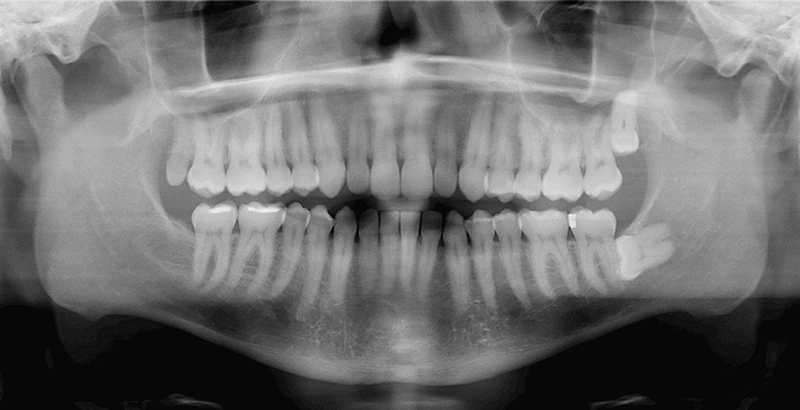
Why do wisdom teeth cause pain
Wisdom teeth cause discomfort when they do not have enough space to emerge into the mouth in a normal position. As these teeth attempt to come through, pressure builds within the jaw and surrounding tissues, leading to pain and inflammation.
What may go wrong:
Impaction: The tooth remains trapped beneath the gum or bone, or grows at an angle against a neighbouring tooth. This pressure can irritate nerves and surrounding tissues.
Partial eruption: The tooth breaks through the gum only partially. The remaining gum flap creates a pocket where food debris and bacteria can collect, increasing the risk of infection.
Inflammation and infection: Bacterial build-up around an erupting or partially erupted tooth can cause swelling, redness, and tenderness. In more advanced cases, infection may lead to pus formation or an abscess.
The intensity of pain can vary. Some people experience a dull ache or feeling of pressure, while others develop sharp, persistent pain that interferes with eating, speaking, or sleeping.
Knock-on issues from impacted wisdom teeth
Pain is often the first sign that something is wrong, but it’s not the only problem that can arise from leaving impacted wisdom teeth untreated. As these symptoms usually develop over time, you may not immediately recognise them as signs of impacted wisdom teeth.
Potential complications include:
Infection: Partially erupted teeth create pockets where bacteria can thrive, increasing the risk of recurring infections that may spread to surrounding tissues.

Damage to neighbouring teeth and tissues: Impacted wisdom teeth can press against adjacent molars, contributing to enamel wear, decay, or gum irritation.
Tooth decay: The position of wisdom teeth makes them difficult to clean effectively, allowing plaque and food debris to accumulate.
Periodontal disease: Ongoing inflammation around impacted teeth can lead to gum disease, affecting both the wisdom tooth and nearby teeth.
Receding gums and loosened teeth: Chronic infection or pressure can cause the gums to pull away from the teeth, reducing support and stability.
Bone loss: Persistent inflammation may lead to deterioration of the jawbone surrounding the affected teeth.
Tooth loss: Severe decay, gum disease, or bone loss can eventually compromise neighbouring teeth.
Jaw weakening: Large or long-standing impactions can reduce bone strength in the affected area.
Cysts and tumours: In some cases, fluid-filled cysts may form around impacted wisdom teeth, potentially damaging bone and nearby structures.
Interference with dental treatment: Impacted wisdom teeth can complicate orthodontic care, restorative work, or future dental procedures.
Addressing impacted wisdom teeth early helps reduce the risk of these complications and supports long-term oral health.

What to look out for
While occasional soreness can be normal, certain signs indicate the need for prompt dental assessment:
- Swelling around the jaw or gums
- Persistent or escalating pain
- Difficulty opening the mouth or chewing
- Red, tender, or bleeding gums near the back teeth
- An unpleasant taste or persistent odour in the mouth
- Headaches or pain radiating to the ear or jaw
Early recognition of these symptoms supports timely intervention and reduces the risk of further complications.
Why visiting a dentist matters
Routine dental assessments play an important role in identifying wisdom tooth issues before they become more complex. Dentists use clinical examinations and diagnostic imaging to assess the position, development, and impact of wisdom teeth, including problems that are not visible during a standard check-up.
Early consultation allows potential concerns to be managed proactively, reducing pain, lowering the risk of infection, and supporting informed decisions about whether a wisdom tooth should be monitored or removed.

Should I get my wisdom teeth removed?
Extraction isn’t always needed, but “wait and see” can backfire. A professional assessment gives clarity early, before minor issues turn into major ones. Dentists determine whether wisdom teeth need to be removed through a careful assessment of:
- Tooth position and risk of impaction
- Signs of infection, decay, or gum disease
- Effects on neighbouring teeth, jaw alignment, or ongoing orthodontic treatment
- Presence and severity of symptoms
In some cases, removal is recommended even if the tooth is currently asymptomatic, to prevent future complications such as cysts, crowding, or damage to adjacent teeth. Dentists weigh these risks and benefits individually to determine the safest and most appropriate course of action.
How can I tell if my wisdom tooth is infected?
Signs of infection around a wisdom tooth include swelling, redness, tenderness, or pus near the back of the mouth. You may also notice a persistent bad taste or odour, difficulty opening your mouth, jaw stiffness, or even a mild fever. Any combination of these symptoms warrants prompt dental assessment.
Will wisdom tooth pain go away on its own?
Mild discomfort can sometimes resolve if the tooth is emerging normally. However, persistent, severe, or worsening pain is rarely self-limiting and usually indicates an underlying issue such as impaction, infection, or gum irritation. A dentist should evaluate ongoing pain to prevent complications.
What can I do to relieve wisdom tooth pain?
Temporary relief can be achieved with measures such as cold compresses, gentle saltwater rinses, over-the-counter pain medication, or clove oil. These strategies address symptoms but do not treat the underlying cause. Professional dental care is necessary for long-term relief and to prevent infection or damage to neighbouring teeth.
How long does wisdom tooth pain typically last?
The duration of pain varies depending on the tooth’s position and whether complications are present. Some discomfort may last a few days, while problematic teeth can cause pain for weeks or longer. Pain that persists beyond a week, increases in intensity, or is accompanied by swelling or fever should be assessed by a dentist promptly.
Tips to stay clear of trouble
While not all wisdom tooth problems can be prevented, consistent oral hygiene and regular dental check-ups significantly reduce the risk of complications:
- Brush and floss thoroughly, paying attention to the back molars
- Use an antiseptic mouthwash if recommended by your dentist
- Attend routine dental appointments, including X-rays as advised
- Seek professional evaluation promptly for persistent pain, swelling, or signs of infection
Following these practices supports overall oral health and allows early detection of potential issues before they develop into more serious problems.

Check your wisdom teeth and smile for life
By the time wisdom teeth hurt, problems may already be advanced. Early assessment can help prevent anything from a minor nuisance to a serious dental issue. That’s why maintaining regular check-ups, practising careful oral hygiene, and following professional guidance are the most reliable ways to keep your smile healthy and pain-free.
Your dentist is a trusted partner in managing wisdom teeth. They know the early warning signs and the appropriate treatment to preserve comfort and prevent complications. Get your wisdom teeth checked early and give your oral health the ongoing care it needs so you can smile with confidence now and into your future.