Why fixing crooked teeth is cheaper than ignoring them
When people think about straightening crooked teeth, appearance is often the first thing that comes to mind. A more even smile can certainly improve confidence, but the benefits extend far beyond aesthetics.
One of the biggest reasons people delay orthodontic treatment is cost. It is easy to see braces or clear aligners as an expense that can wait, particularly if the teeth are still functioning well and there is no pain. The reality is often quite different.
Crooked teeth can place extra stress on your teeth, gums and jaw over many years. Small issues that seem harmless today may gradually develop into tooth decay, gum disease, fractured teeth or tooth loss, each requiring increasingly complex treatment. In many cases, addressing the underlying alignment problem early is far more cost-effective than managing the consequences later.
A straighter smile is not simply an investment in appearance. It is often an investment in protecting your long-term oral health.
Crooked teeth affect more than your smile
Teeth are designed to work together in balance. When they are crowded, rotated or significantly out of alignment, that balance changes.
Some teeth may carry more biting force than they were intended to. Others become difficult to clean properly. Even a mild bite imbalance can create small problems that slowly accumulate over time.
Many people live comfortably with crooked teeth for years without realising the extra strain their mouth is under. Unfortunately, dental problems often develop gradually and may not become obvious until considerable damage has already occurred.
Correcting alignment addresses the underlying cause rather than repeatedly treating the symptoms.
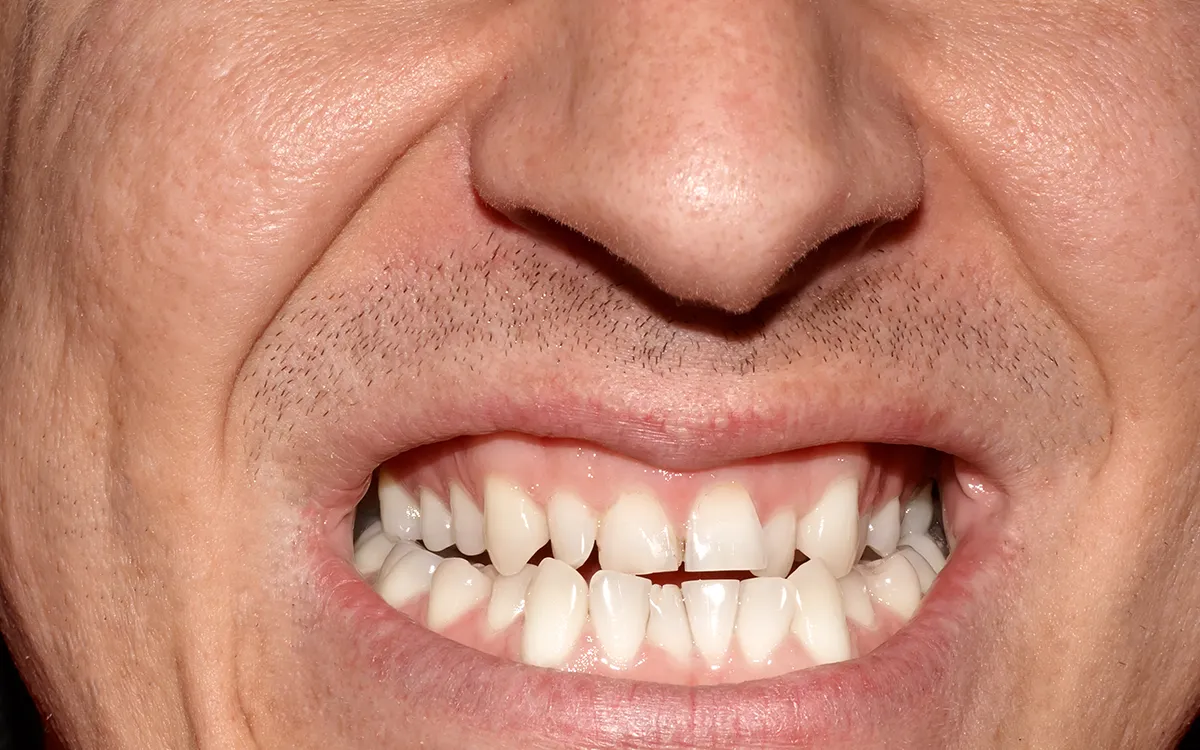
Crowded teeth create hidden plaque traps
One of the greatest challenges with crooked teeth is keeping them clean.
When teeth overlap or sit too close together, toothbrush bristles and dental floss often struggle to reach every surface. Even with excellent brushing habits, plaque can remain in these difficult-to-access areas.
Over time, plaque hardens into tartar, increasing the risk of:
- Tooth decay
- Gum inflammation (gingivitis)
- Periodontal (gum) disease
- Persistent bad breath
These conditions often require ongoing dental treatment. What begins as a small filling may eventually progress to root canal treatment, crowns or even tooth replacement if the tooth cannot be saved.
Straightening crowded teeth creates better access for daily cleaning. Good oral hygiene becomes easier, helping reduce the risk of preventable dental problems throughout life.
An uneven bite can wear teeth down
Crooked teeth do not always meet evenly when you bite.
Instead of chewing forces being shared across the entire mouth, certain teeth absorb far more pressure than others. This constant overload gradually wears away enamel and increases the likelihood of:
- Chipped teeth
- Cracked teeth
- Worn biting surfaces
- Tooth sensitivity
Unlike skin or bone, enamel cannot regenerate once it has worn away.
Repairing damaged teeth often involves restorative treatment such as dental bonding, porcelain veneers, onlays or crowns. While these treatments can produce excellent outcomes, they are designed to repair damage that may have been reduced or avoided by correcting the bite earlier.
Orthodontic treatment helps distribute biting forces more evenly, allowing the teeth to function as they were naturally intended.
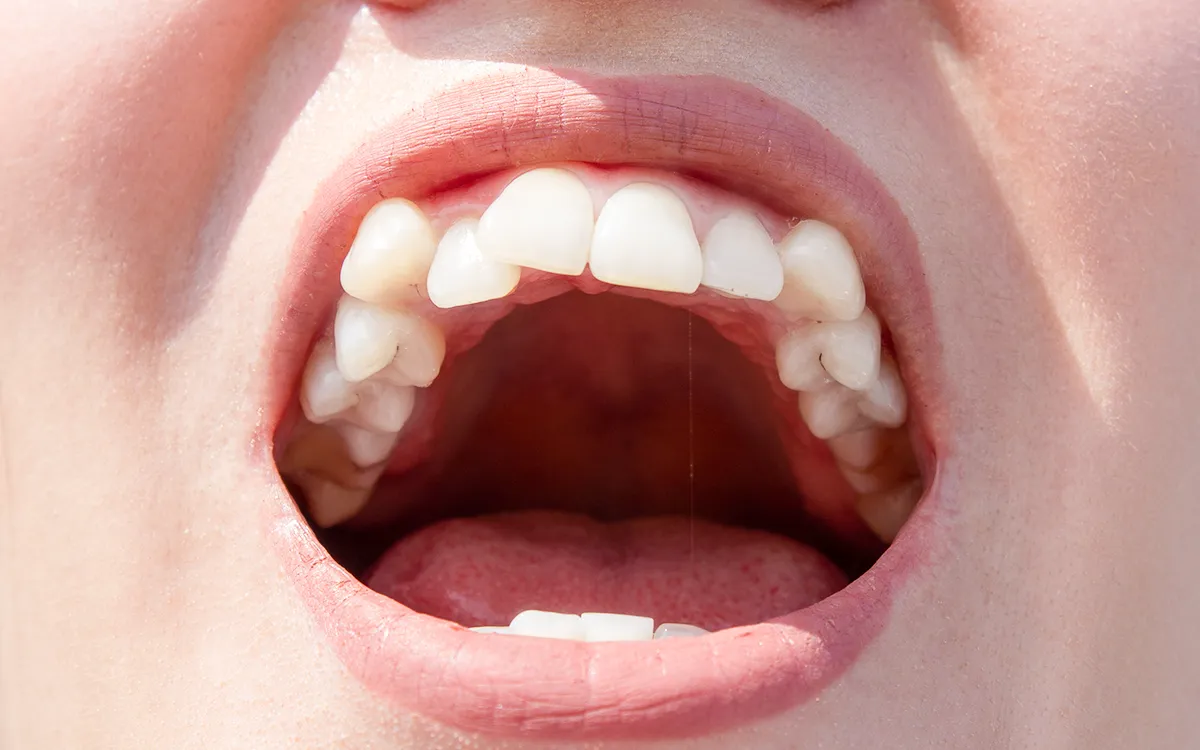
Misaligned teeth can place extra strain on your jaw
The effects of crooked teeth are not always limited to the teeth themselves.
An uneven bite may also place additional stress on the jaw joints and surrounding muscles. Some people experience symptoms such as:
- Jaw discomfort
- Headaches
- Facial muscle fatigue
- Clicking or popping when opening the mouth
- Teeth grinding or clenching
Not everyone with crooked teeth develops these problems, and jaw discomfort can have many different causes. However, bite alignment is one factor your dentist may assess when investigating ongoing symptoms.
Where tooth alignment contributes to excessive strain, orthodontic treatment may form part of a broader management plan.
Small dental problems rarely stay small
One of the biggest misconceptions about crooked teeth is that they remain unchanged throughout life.
The reality is that many dental conditions are progressive.
A cavity that could have been treated with a simple filling may eventually require root canal treatment. A cracked tooth may need a crown. If the tooth cannot be restored, extraction followed by a dental implant or bridge may become necessary.
Similarly, untreated gum disease can gradually damage the bone supporting the teeth, increasing the risk of tooth mobility and tooth loss.
Each stage generally involves more appointments, greater complexity and higher costs than the one before it.
Treating alignment early can help reduce the likelihood of these issues developing in the first place.
Prevention is usually more affordable than repair
Orthodontic treatment is often viewed as a significant investment. Looking at the bigger picture tells a different story.
Straightening teeth addresses the underlying cause of many common dental problems before they become more difficult to manage.
Compare the long-term pathways.
- Corrects bite and alignment
- Makes brushing and flossing easier
- Reduces areas where plaque accumulates
- Helps distribute chewing forces evenly
- May lower the need for future restorative treatment
- Has a defined treatment period
- Ongoing fillings as decay develops
- Gum disease management
- Repairs for chipped or worn teeth
- Root canal treatment
- Crowns or veneers to restore damaged teeth
- Tooth replacement if teeth are eventually lost
Every patient is different, and orthodontic treatment cannot prevent every dental problem. However, improving alignment often reduces several important risk factors that contribute to expensive treatment later.
Modern orthodontic treatment is better than ever
Orthodontics has changed considerably over the past decade.
Many adults are surprised to learn that treatment is no longer limited to traditional metal braces. Depending on your clinical needs, options may include clear aligners, ceramic braces or other discreet orthodontic systems that fit comfortably into everyday life.
Many dental practices also offer flexible payment plans to make treatment more manageable. Patients with eligible private health insurance may be able to claim orthodontic benefits depending on their level of cover.
For more complex dental rehabilitation, some practices may also discuss additional funding options where appropriate.
The best option depends on your individual smile, bite and treatment goals, which is why a comprehensive assessment is always the first step.
Invest in a straighter smile for better oral health
Straight teeth are often associated with confidence, but their greatest value lies in how they function. Properly aligned teeth are generally easier to clean, better supported, and able to bite together more evenly—making them easier to maintain and helping reduce the risk of preventable dental problems.
No dental treatment can guarantee that problems will never occur. Daily brushing, flossing, a balanced diet and regular dental examinations remain essential parts of maintaining good oral health. Orthodontic treatment works alongside these habits by creating a healthier foundation that is easier to care for.
If you have been considering straightening your teeth, a consultation can help you understand whether treatment may benefit your oral health as well as your smile. Your dentist can assess your bite, discuss suitable options and explain the potential long-term benefits based on your individual needs.
Investing in prevention today often means spending less time, money and effort on complex dental treatment in the years ahead.