
If you wake up tired, foggy, or irritable after what should’ve been a solid night’s sleep, don’t simply soldier on, pushing past that red flag. Many Aussies knuckle down and up their coffee intake just to get by, unaware that the real issue might be happening while they sleep: sleep apnoea.
Snoring and restless nights aren’t all this is about. Sleep apnoea quietly disrupts your breathing over and over again, putting strain on your heart, metabolism, and overall wellbeing.
What many people don’t realise is that your dentist can actually play a key role in spotting the signs and helping you breathe easier at night.
Let’s take a closer look at what’s really going on when your body struggles for air in the middle of the night. Understanding this process can make a world of difference to how you feel each morning.
What is sleep apnoea?
Sleep apnoea is a disorder that causes your breathing to repeatedly stop or become very shallow while you sleep. Each time this happens, your brain briefly “wakes” you just enough to restart your breathing — but not enough for you to remember it. The result is poor-quality sleep that leaves you feeling tired and unrefreshed, no matter how long you’ve been in bed.
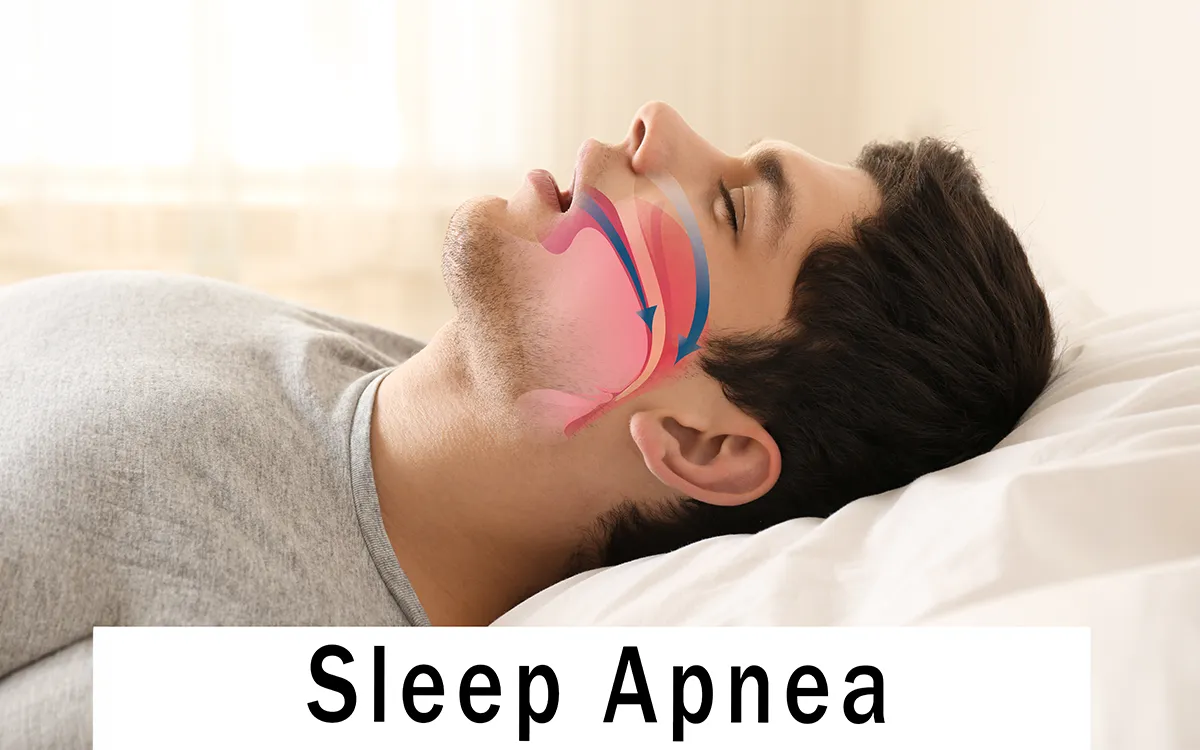
The most common type is obstructive sleep apnoea (OSA). This occurs when the soft tissues and muscles in your throat relax too much during sleep, causing the airway to narrow or collapse.
You can imagine it like a flexible straw — when it bends or gets squeezed, the air can’t flow through. The same thing happens in OSA: airflow becomes blocked, your oxygen levels drop, and your brain sends an emergency signal for you to take a breath.
These interruptions can happen dozens or even hundreds of times every night, sometimes lasting anywhere from a few seconds to over a minute. Even though you may not fully wake up, these repeated disruptions prevent your body from reaching the deep, restorative stages of sleep needed for healing, memory, and overall wellbeing.
Over time, this constant cycle of disrupted breathing and poor sleep places extra stress on your heart, metabolism, and brain — which is why recognising and treating sleep apnoea early is so important.
Signs and symptoms you shouldn’t ignore
Most people don’t realise they have sleep apnoea until someone else points it out. Because the breathing pauses happen while you’re asleep, the signs can be easy to miss. Here are some red flags to watch for — both during the night and throughout the day:
- Loud, chronic snoring (often interrupted by silences, gasping, or choking sounds)
- Waking up suddenly, feeling short of breath or like you’re choking
- Restless or fragmented sleep
- Frequent trips to the bathroom during the night (nocturia)
- Waking up with a dry mouth, sore throat, or even chest tightness
- Persistent tiredness or low energy, no matter how much sleep you think you’ve had
- Morning headaches or a “heavy head” feeling
- Poor concentration, memory lapses, or difficulty focusing at work or while driving
- Mood swings, irritability, or feeling unusually anxious or down
- Falling asleep easily while watching TV, reading, or sitting in traffic
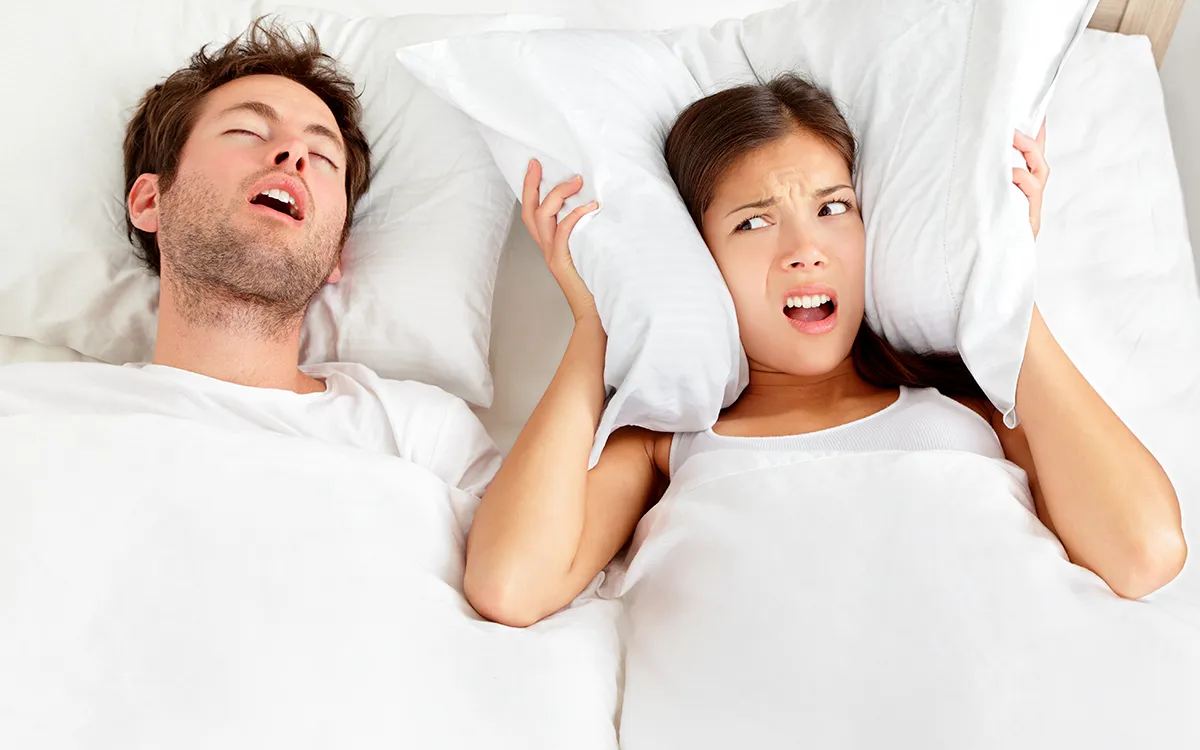
If you share a bed, your partner might also notice pauses in your breathing, loud snoring, or frequent movements during sleep — sometimes even before you suspect anything’s wrong.
What causes sleep apnoea?
Sleep apnoea often develops from a combination of physical, lifestyle, and medical factors that affect how your airway functions during sleep. Here are some of the most common contributors:
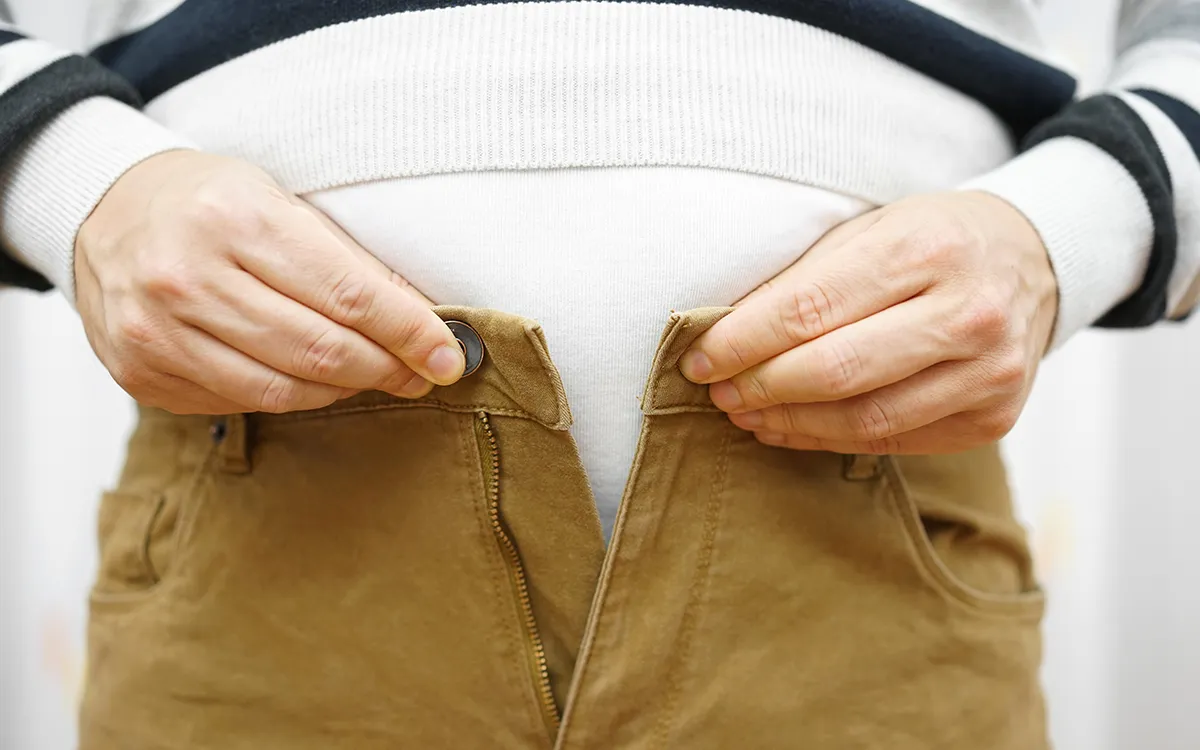
Carrying extra weight—especially around the neck and upper chest—adds pressure to the airway, making it more likely to collapse while you sleep. Even a modest weight change can have a noticeable impact on your breathing.
As we get older, the muscles that support the throat naturally lose some tone. A smaller jaw, a recessed chin, enlarged tonsils, or a naturally narrow airway can also make it harder to keep the airway open through the night.
Alcohol, sedatives, and smoking all affect how your airway muscles work. Alcohol and sedatives relax throat tissues beyond their normal state, while smoking causes inflammation and swelling that narrows the airway. Even a “harmless” nightcap can worsen symptoms.
Chronic nasal congestion, allergies, or a deviated septum can block airflow through the nose, forcing mouth breathing. This can make your airway less stable and more prone to collapse.
Lying flat on your back allows the tongue and soft tissues to fall backward, narrowing the throat. Many people notice their symptoms improve simply by sleeping on their side.
Certain health issues such as hypothyroidism, polycystic ovary syndrome (PCOS), or diabetes can alter how your body controls breathing or stores fat around the neck. Menopause can also increase risk due to hormonal changes that affect muscle tone.
Sometimes, sleep apnoea runs in families. Traits like facial structure, tongue size, or how fat is distributed in the upper body can all be inherited and influence your likelihood of developing the condition.
Hidden tolls on your health
Sleep apnoea doesn’t just rob you of a good night’s rest — it puts your body under nightly stress. Each pause in breathing triggers a chain reaction: your oxygen levels drop, your heart races, and your brain jolts you awake to get air flowing again. Over time, that constant stop-start pattern takes a serious toll on your health and wellbeing.
Here’s how it can affect different parts of your body:
Every time your breathing stops, your heart works overtime to restore oxygen. This ongoing strain can raise blood pressure and increase the risk of heart disease, stroke, and irregular heart rhythms (arrhythmias). People with untreated sleep apnoea are also more prone to high blood pressure that doesn’t respond well to medication.
Interrupted sleep interferes with how your brain processes and stores information. Many people with sleep apnoea describe feeling like they’re “in a fog” — struggling to focus, remember details, or make decisions. Long-term sleep deprivation also affects mood-regulating hormones, often leading to irritability, anxiety, or depression.
Poor-quality sleep affects hormones like leptin and ghrelin, which control hunger and fullness. This can make you crave high-energy foods and gain weight, which in turn worsens sleep apnoea — creating a frustrating cycle that’s hard to break without proper treatment. Sleep apnoea is also linked with insulin resistance and type 2 diabetes.
When your body never reaches deep sleep, fatigue builds up. Excessive tiredness during the day increases the risk of workplace errors and motor vehicle accidents — in fact, studies show that driving while sleep-deprived can be as dangerous as driving under the influence.
Sleep is when your body repairs itself. Repeated sleep disruption weakens the immune system, slows healing, and leaves you more vulnerable to infections and chronic illnesses.
How sleep apnoea is treated
Treatment for sleep apnoea depends on how severe your condition is — and how your body responds to different options. The great thing is that once it’s properly managed, most people experience dramatic improvements in their energy, focus, and overall health.
Here are the main approaches used to treat sleep apnoea:
For mild cases, small adjustments can make a big difference. These may include:
- Losing excess weight to reduce pressure around the airway
- Avoiding alcohol, smoking, and sedative medications (especially close to bedtime)
- Sleeping on your side instead of your back, which can help keep the airway open
- Keeping your nose clear with saline sprays or allergy treatments
Sometimes, these steps are combined with other therapies to improve results.
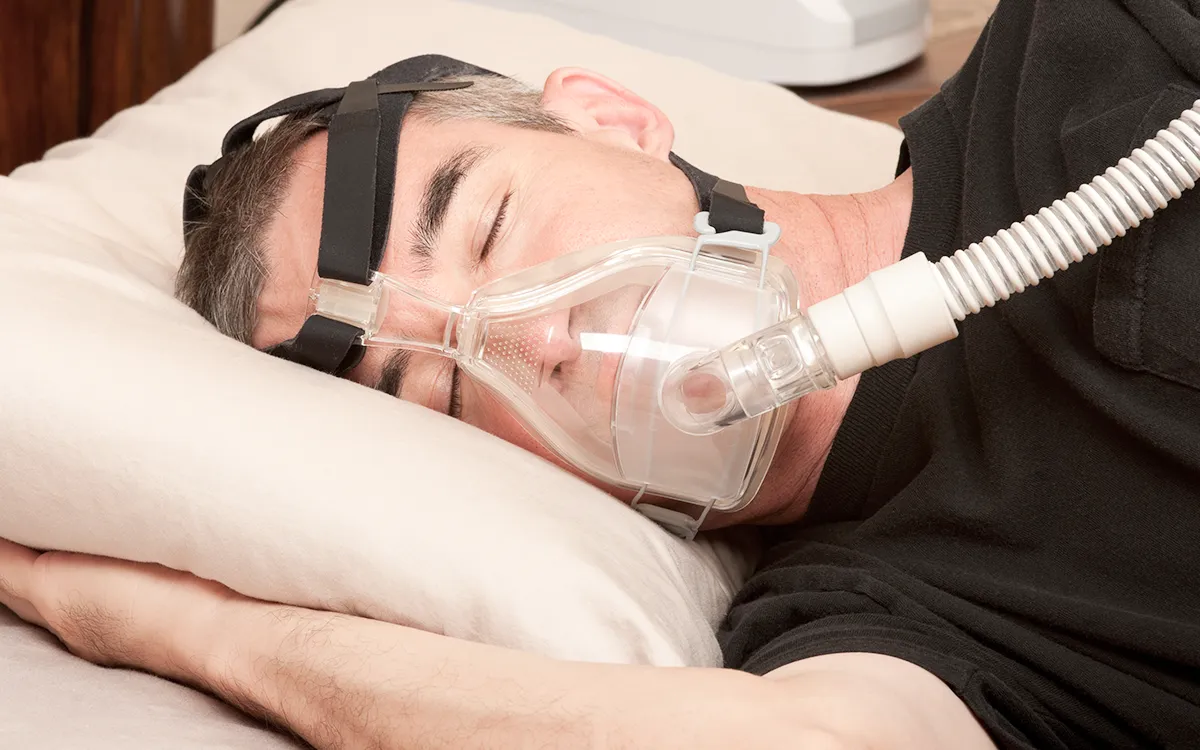
The Continuous Positive Airway Pressure (CPAP) machine remains one of the most effective treatments for moderate to severe sleep apnoea. It works by delivering a gentle, constant stream of air through a mask to keep your airway open throughout the night.
When used consistently, CPAP can greatly reduce symptoms and improve quality of life — but some people find the mask or airflow uncomfortable, which can affect long-term use.
For many people, a Mandibular Advancement Device (MAD) made by their dentist offers a simpler, more comfortable alternative. This custom-fitted mouthpiece gently moves the lower jaw forward during sleep, helping to prevent airway collapse.
It’s compact, easy to travel with, and often preferred by those who struggle with CPAP or have mild to moderate sleep apnoea.
Some people only experience breathing interruptions when lying on their back. In these cases, positional therapy — using special pillows or devices to encourage side-sleeping — can help. Often, dentists and sleep specialists combine this with oral appliance therapy for even better results.
If structural issues like enlarged tonsils, nasal obstruction, or severe jaw alignment problems are contributing to airway blockage, an ENT specialist or maxillofacial surgeon may recommend corrective procedures. Surgery is usually considered only when other treatments haven’t worked or when anatomy is clearly the main cause.
Sleep apnoea isn’t a one-time fix — it requires follow-up and fine-tuning over time. Dentists, sleep physicians, and sleep therapists often work together to adjust appliances, track progress, and ensure the treatment remains effective as your needs change.
Preventing sleep apnoea (and protecting your smile)
Good sleep starts with healthy habits, and your oral health plays a bigger role than you might think. Regular dental visits can help identify early warning signs such as airway narrowing, teeth grinding, or jaw alignment issues that may contribute to sleep apnoea.
Here are a few simple ways to protect both your sleep and your smile:
- Maintain a healthy weight and active lifestyle — even small changes can improve airflow and reduce pressure around the neck.
- Avoid alcohol and sedatives before bed, as they relax throat muscles and increase the risk of airway collapse.
- Stick to a consistent sleep schedule to support your body’s natural rhythm.
- Practice good nasal care, especially if you have allergies or chronic congestion.
- Keep up with regular dental check-ups — your dentist can often spot subtle signs of airway obstruction before it becomes a bigger issue.
By caring for your mouth and your overall health, you’re not just preventing dental problems — you’re helping your body breathe, rest, and recover the way it should.
Rest easy—help’s closer than you think
You don’t have to keep dragging yourself through tired mornings or restless nights. If you suspect sleep apnoea, or if your partner keeps nudging you awake for snoring, it might be time to have a proper chat about it.
Your dentist can do more than just look after your teeth. They can check your airway, spot possible risks, and help you find a comfortable, practical solution that fits your lifestyle.
Getting your sleep back on track can make a world of difference. Addressing it can transform how you feel in the morning, and even support greater overall health and wellbeing.
Better sleep starts with better breathing — and sometimes, that starts with your dentist.