
What’s the deal with different tooth shapes?
Take a closer look at your teeth and you will notice that they are far from identical. The front teeth have thin, sharp edges, while those further back are broader and flatter. These differences are no coincidence. Each tooth has a specific role in biting, tearing, crushing and grinding food.
Together, these different shapes help us chew efficiently, speak clearly and maintain a functional bite. Understanding what each tooth does also highlights why protecting your natural teeth is essential for long-term oral health.
Why aren’t all teeth the same shape?
Teeth have different shapes because they perform different tasks during chewing. Incisors cut through food, canines help tear it, and premolars and molars crush and grind it into smaller pieces.
Their arrangement allows these tasks to happen in sequence. The jaw muscles, tongue and cheeks also work alongside the teeth to move food into position and prepare it for swallowing.
Each tooth therefore contributes to a coordinated system. Damage or tooth loss can affect how comfortably and efficiently the mouth functions.
Meet the four types of teeth and their roles
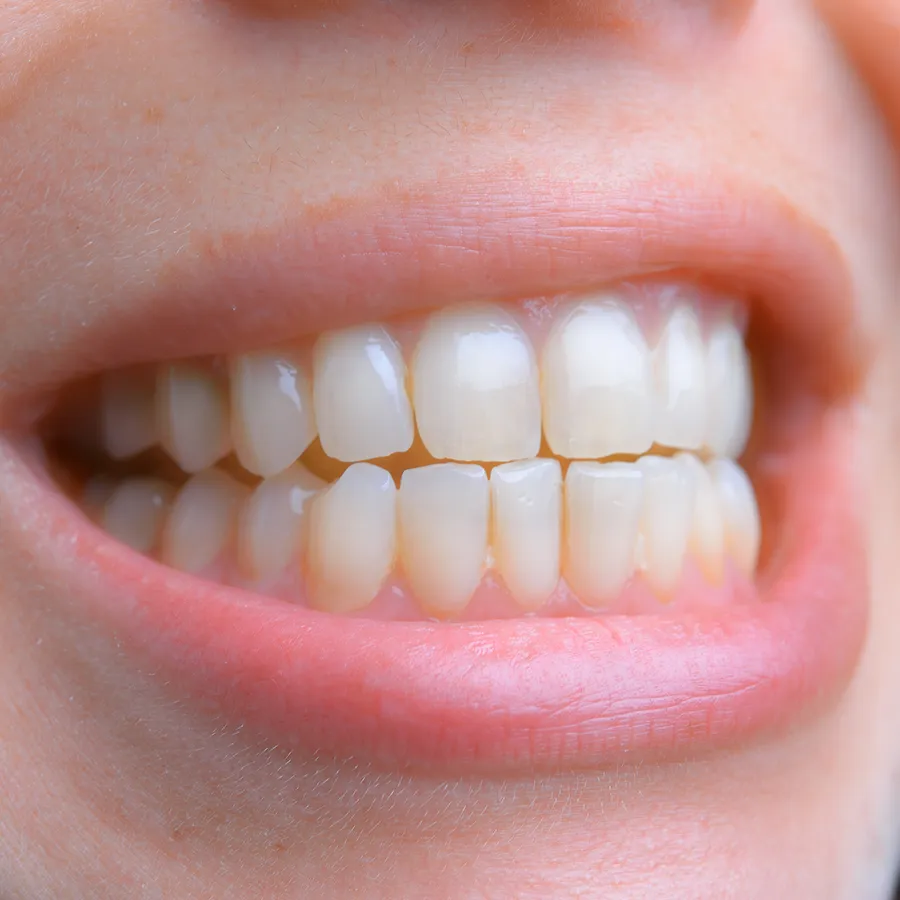
Adults typically have 32 permanent teeth, including wisdom teeth, although some people naturally have fewer. These teeth belong to four main groups, each with a distinct shape and purpose.
Incisors are the eight teeth at the front of the mouth, with four on the upper jaw and four on the lower jaw. Their thin, relatively sharp edges help cut food into smaller pieces.
When you bite into an apple or take a mouthful of a sandwich, your incisors perform much of the initial cutting. Their position also makes them prominent when you smile, while their interaction with the tongue and lips helps produce certain speech sounds.
Canines are the four pointed teeth beside the incisors. Their tapered tips help grip and tear food, making them useful when separating tougher pieces.
Canines also have relatively long roots that help anchor them in the jaw. Positioned at the corners of the dental arch, they contribute to the transition between the front and back teeth and can help guide certain jaw movements during chewing.
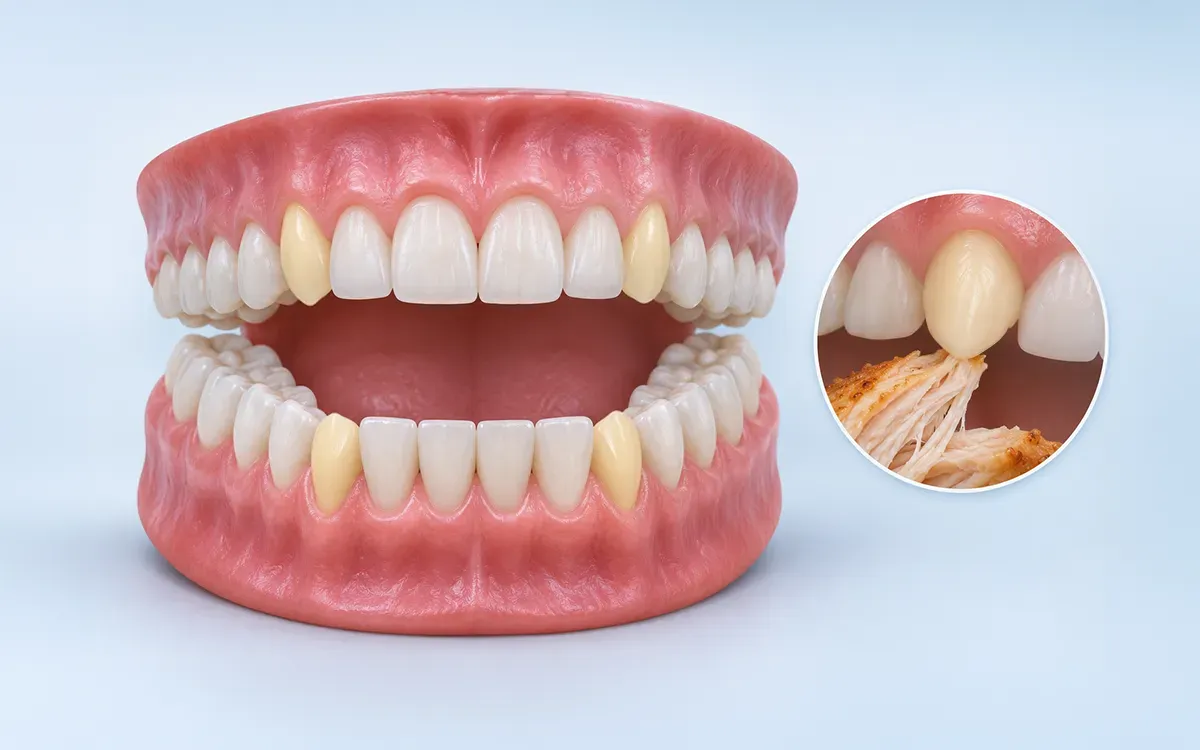
Premolars sit between the canines and molars. Most adults have eight, with four in each jaw.
Their broader chewing surfaces feature raised areas called cusps, which help crush and break food into smaller pieces. Premolars bridge the gap between the tearing action of canines and the grinding function of molars.
Children do not have premolars in their primary teeth. Instead, baby molars occupy these positions until the permanent premolars eventually erupt.
Molars are the large teeth at the back of the mouth. Their broad chewing surfaces and multiple cusps help grind food into smaller particles that are easier to swallow.
Their roots anchor them securely in the jaw, allowing them to withstand substantial chewing forces. However, the grooves on their surfaces can trap food debris and plaque, making thorough brushing particularly important.
What about wisdom teeth?
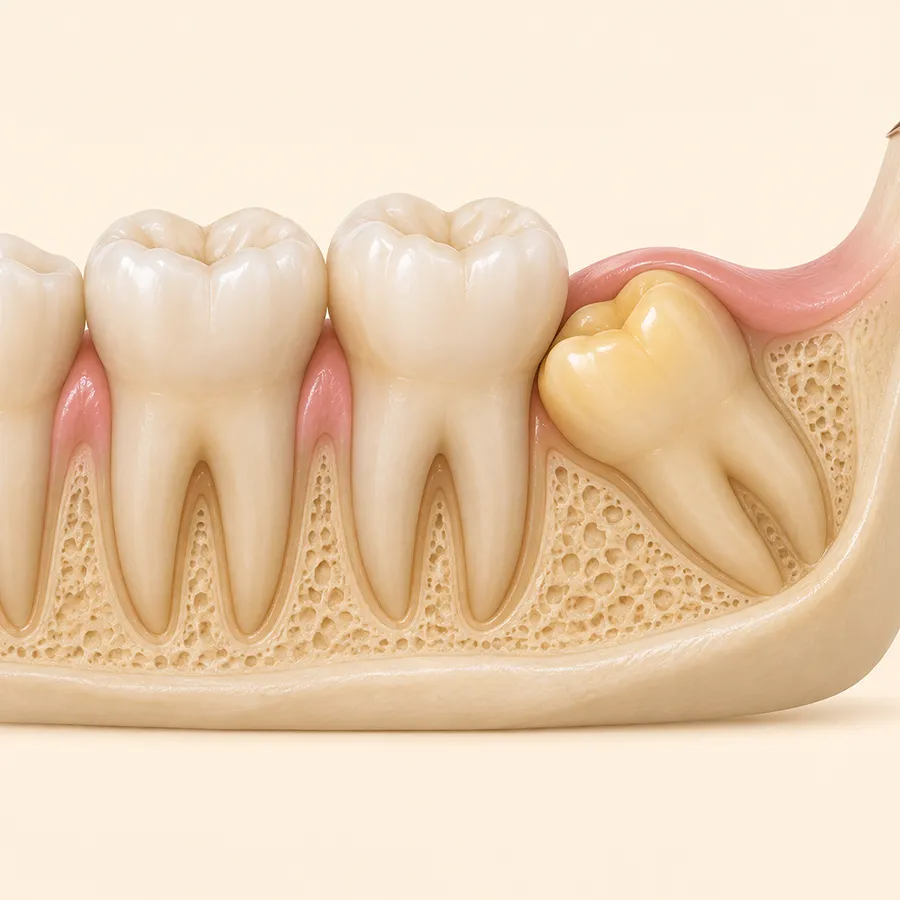
Wisdom teeth are the third molars and usually emerge during the late teenage years or early adulthood. Some people do not develop all four, while others have teeth that remain trapped beneath the gums.
When there is insufficient room for a wisdom tooth to erupt properly, it may become impacted and contribute to discomfort or inflammation. Not all wisdom teeth require removal, but a dentist can assess their position and whether monitoring or treatment is appropriate.
How do different tooth shapes work together?
Chewing involves more than simply biting down. The different teeth work together to break food into manageable pieces.
Imagine eating a crunchy apple. Your incisors cut through the flesh, your canines help separate the bite, and your premolars and molars crush and grind the food. Meanwhile, your tongue and cheeks keep it positioned between the teeth.
Tooth shape and alignment also contribute to a comfortable bite. When teeth meet unevenly or are damaged, chewing may become less efficient, and some teeth may experience greater pressure than others.
Teeth also support speech by helping the tongue and lips form particular sounds. Their role is part of a larger process involving several structures in the mouth.

Do baby teeth have the same shapes as adult teeth?
Children typically develop 20 primary teeth: eight incisors, four canines and eight molars. Unlike adults, they have no premolars.
Although baby teeth eventually fall out, they play important roles in chewing, speech development and maintaining space for permanent teeth. Baby molars are eventually replaced by premolars, while permanent molars erupt further back in the mouth.
Keeping primary teeth healthy matters. Decay and premature tooth loss can affect a child’s comfort and may influence the space available for developing permanent teeth. Regular dental visits help monitor tooth development and identify problems early.
What happens when a tooth’s shape changes?
Tooth shape can change through damage, decay or gradual wear. Recognising these changes early can help prevent further problems.
Tooth decay: Bacteria in plaque produce acids that damage tooth structure, potentially creating cavities that alter a tooth’s natural shape.
Chips and cracks: Accidents, sports injuries and biting hard objects can damage enamel or cause deeper fractures.
Acid erosion: Frequent exposure to acids from foods, drinks or stomach acid can gradually wear away enamel, leaving teeth smoother, thinner or more sensitive.
Teeth grinding: Repeated grinding or clenching can flatten chewing surfaces and contribute to chips, cracks and sensitivity.
If you notice a change in tooth shape, a sharp edge, new sensitivity or discomfort when chewing, arrange a dental assessment. Enamel cannot grow back once it has been lost, so early care is important. Avoid filing or reshaping teeth yourself, as this can cause permanent damage.
Looking after your natural teeth
From crunching apples to chewing steak, your teeth tackle all sorts of jobs every day. Incisors bite, canines tear and molars grind. It’s a team effort, and every tooth earns its keep.
So, return the favour. Brush twice daily with fluoride toothpaste, clean between your teeth and don’t give sugary snacks and drinks too much attention. Regular dental check-ups can also help spot decay, damage and wear before they cause trouble.
After all, your natural teeth are worth holding on to. Give them the care they deserve, and they’ll be better equipped for whatever’s on the menu.